
Ferrari SF-26 · Charles Leclerc 16 · A build by AD-5 Creative
A recognizable car.
A repeatable process.
A visual record of the reference images, research, diagnostic tests and revisions behind the SF-26 model.
Read the build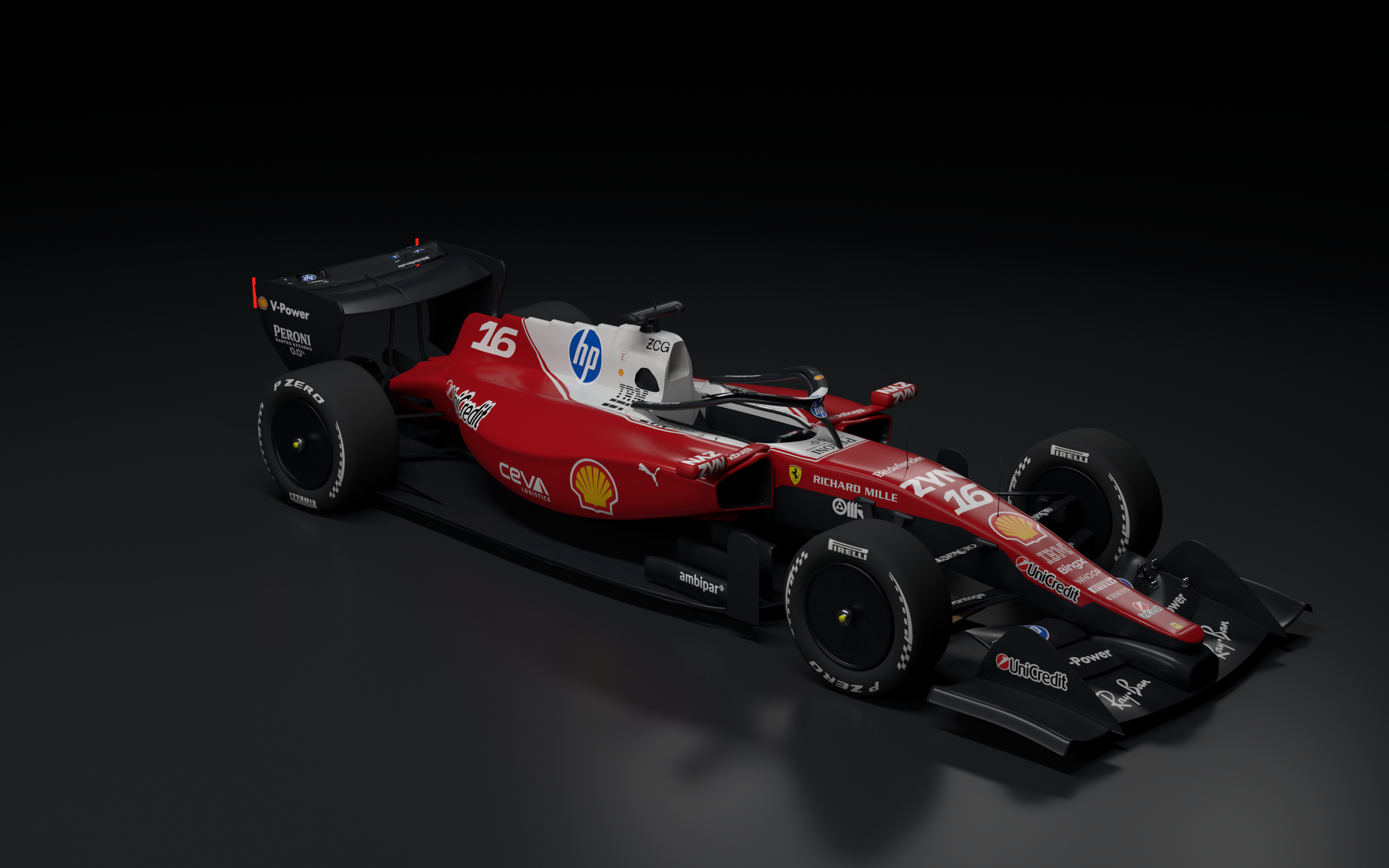 Inspect image
 The work behind the image
The first version
wasn’t enough.
The car had to be recognizable from every useful view. That meant changing the way we worked, not just adding more detail.
The early geometry did not pass visual review. The build changed methods: compare against references, isolate disputed surfaces and test paint placement with deliberately unnatural colors. Saved scripts and checkpoints made each correction inspectable.
Drag the divider on the image. Keyboard: arrow keys, Home or End.
Seven chapters
Follow the decisions.
Read from the beginning, or open the part of the process you want to inspect.
A specific car. A demanding brief.
Reconstructing the Ferrari SF-26, Charles Leclerc’s number 16, from public references. Documenting the build and private format checks through images.
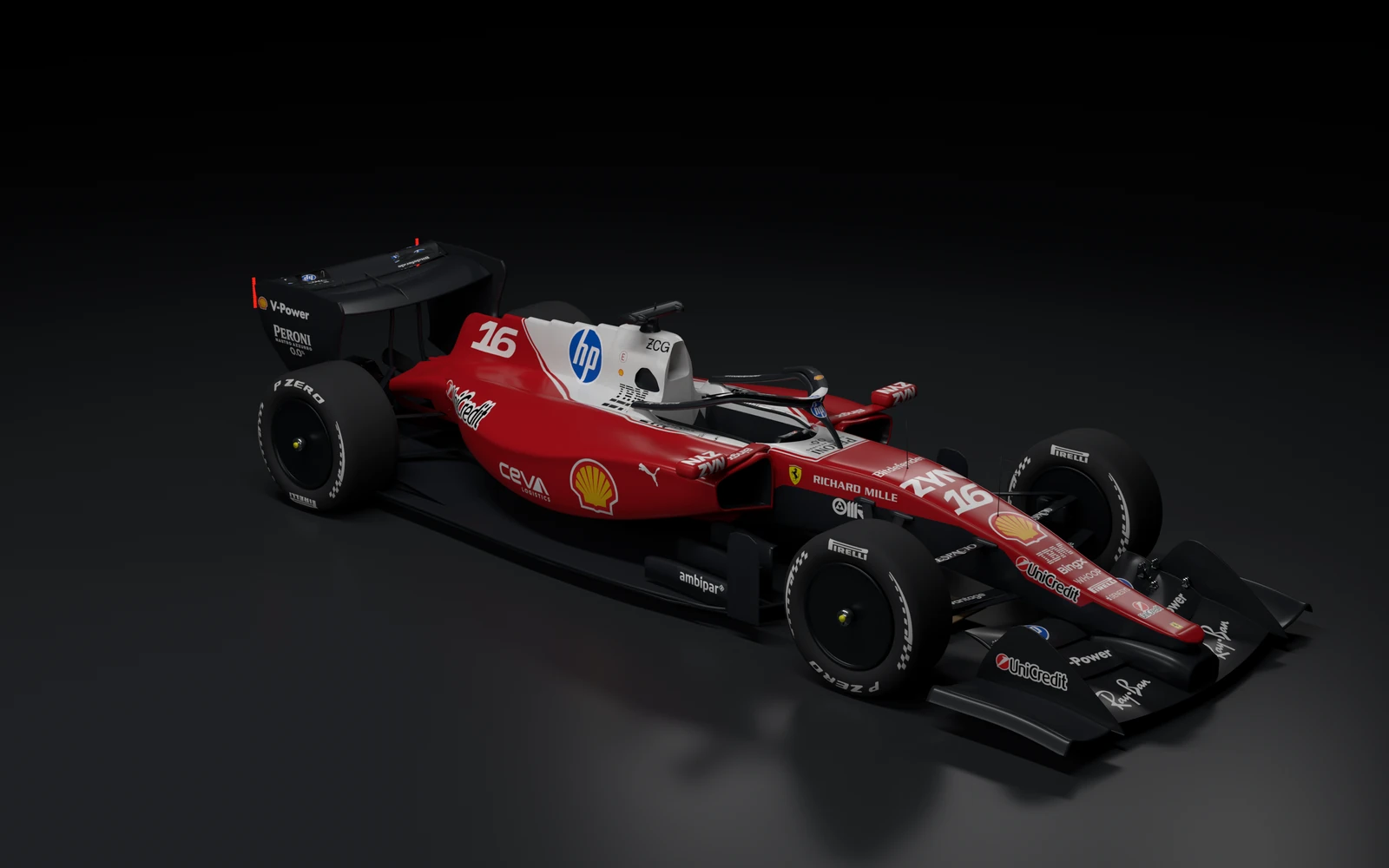 02
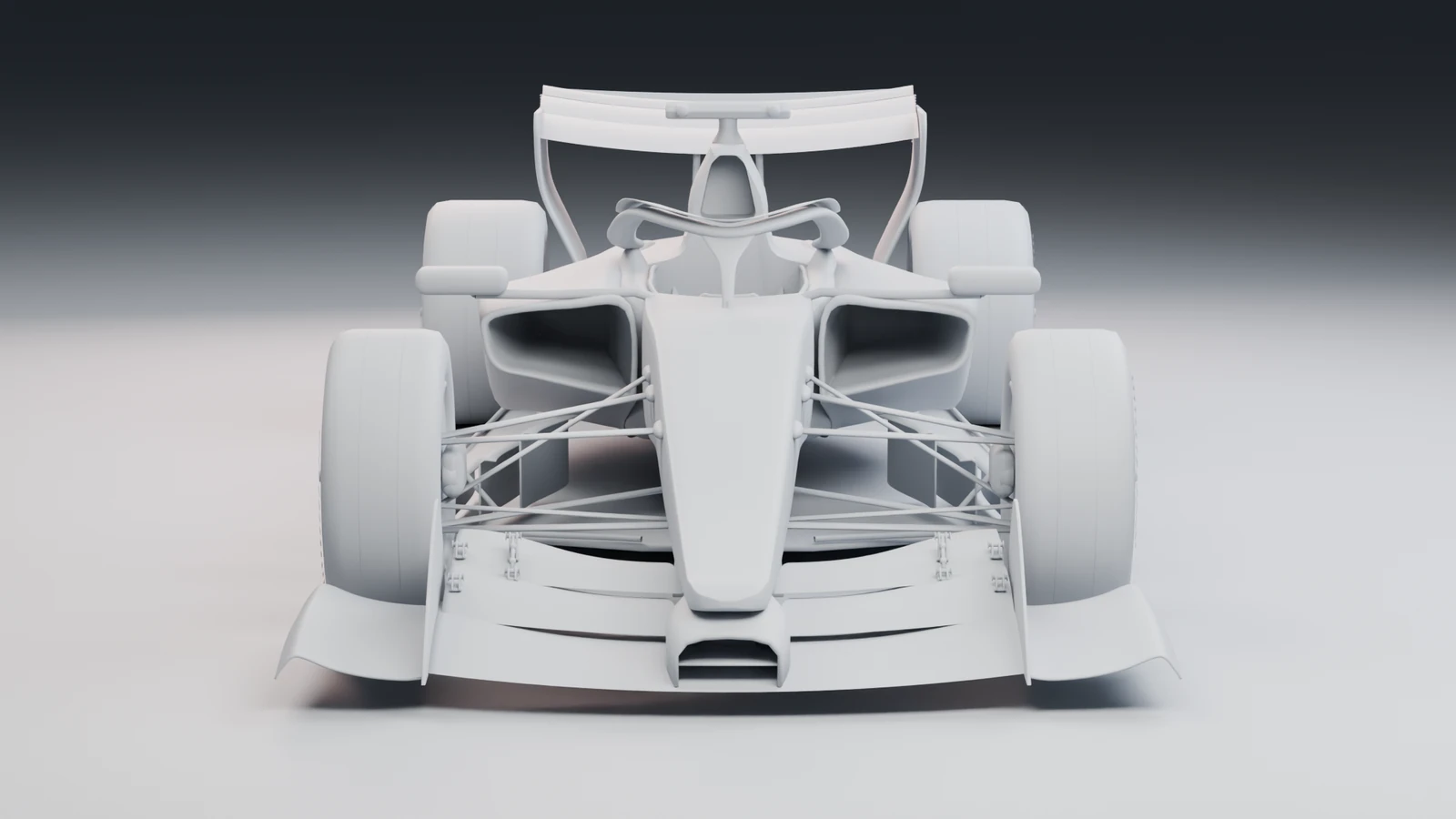
02A clean mesh can still be the wrong shape.
Measurements protected the work. Clay renders and reference comparisons decided whether the visible form had improved.
 03
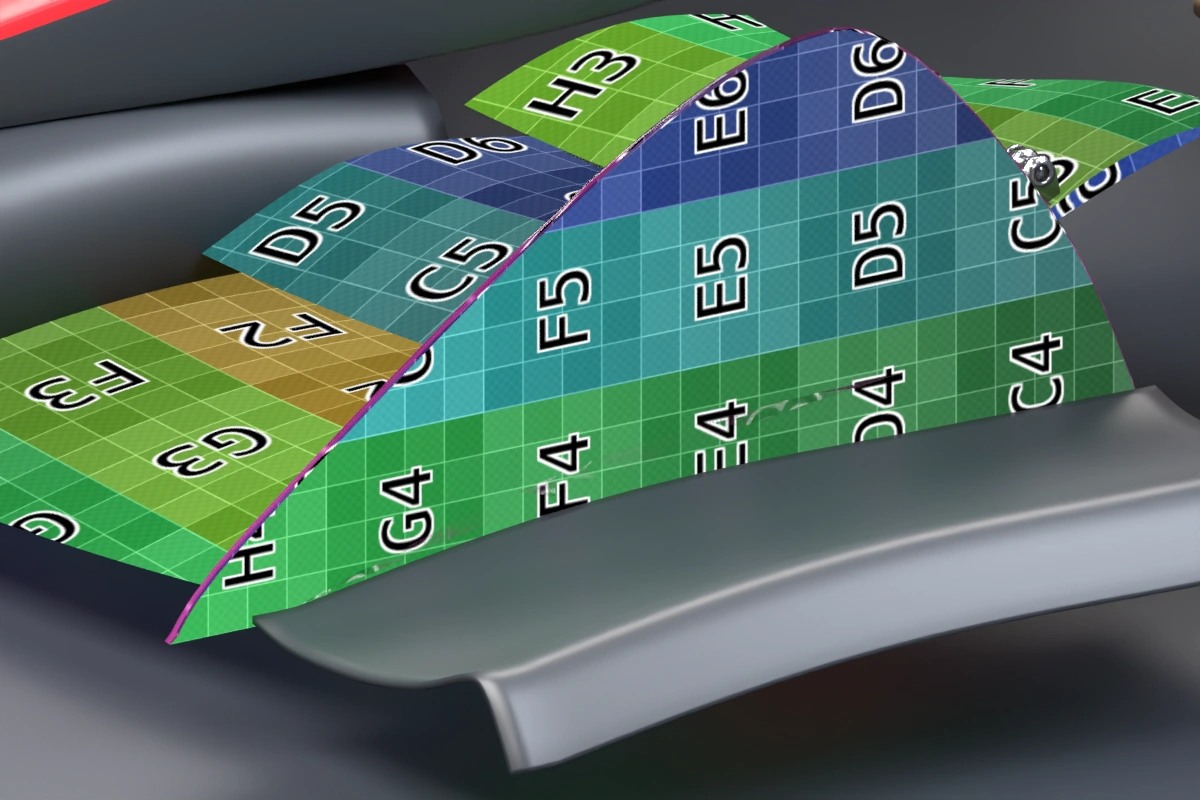
03Paint needs a surface and a direction.
The livery became a system of editable artwork, explicit receiving surfaces and diagnostic views.
 04
04The critic had to challenge the premise.
Some fixes were small. Others began by admitting that the representation being protected was wrong.
 05
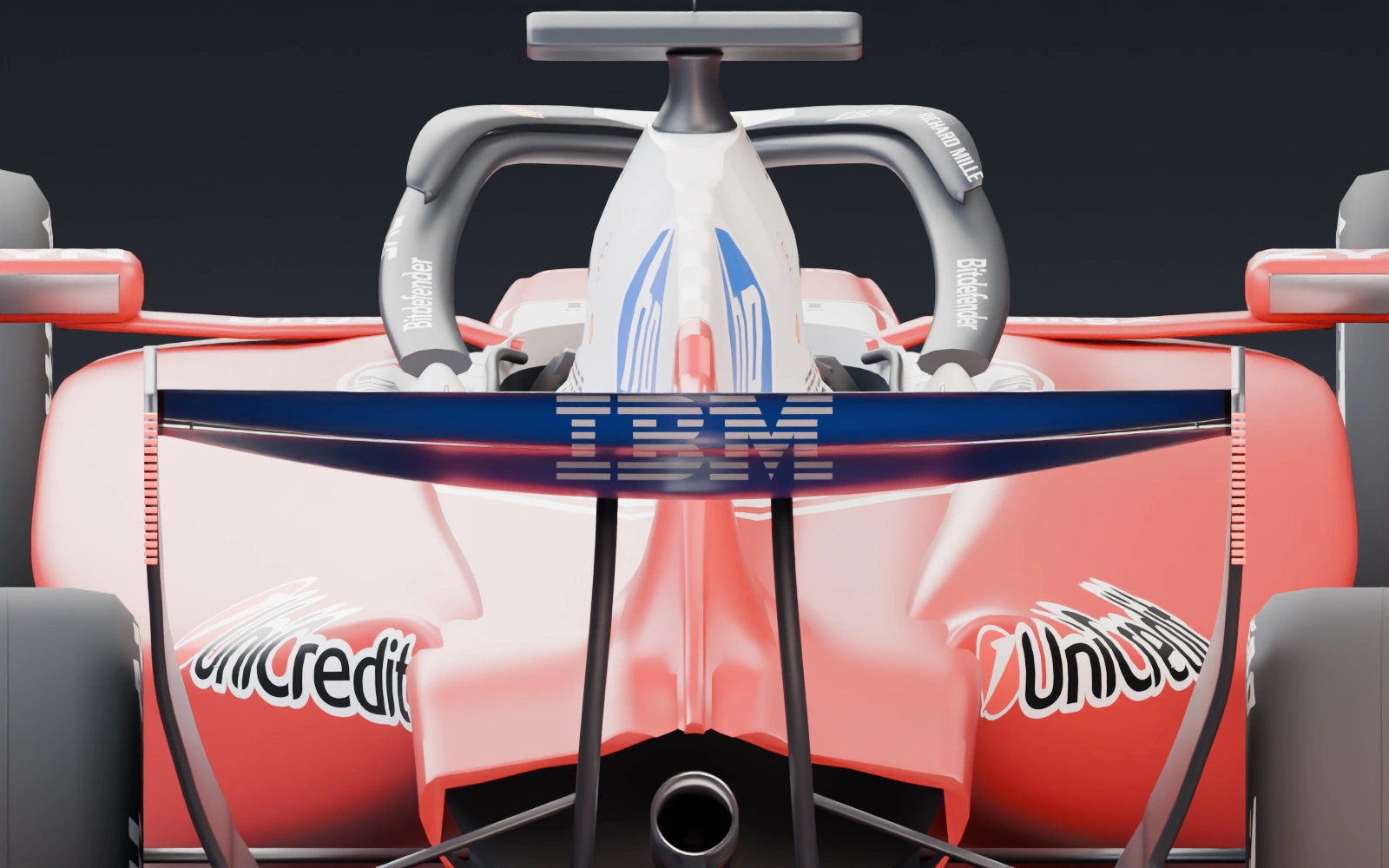
05Build. Review. Verify.
Separate construction from criticism, preserve the experiments and verify the saved result.
 06
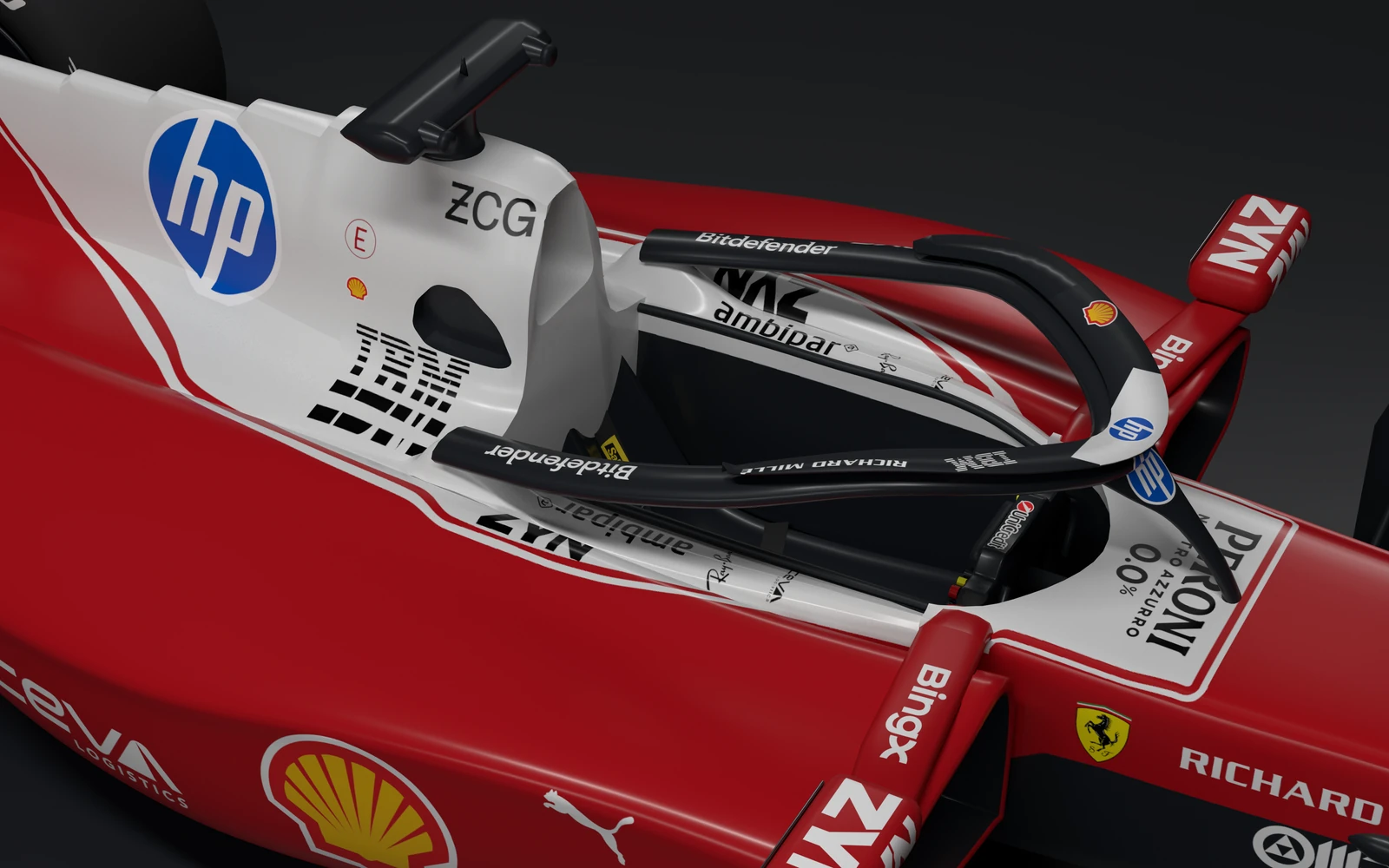
06Preserve the work across formats.
Private delivery tests checked the model beyond Blender. This case study shares the rendered evidence, not the model files.
 07
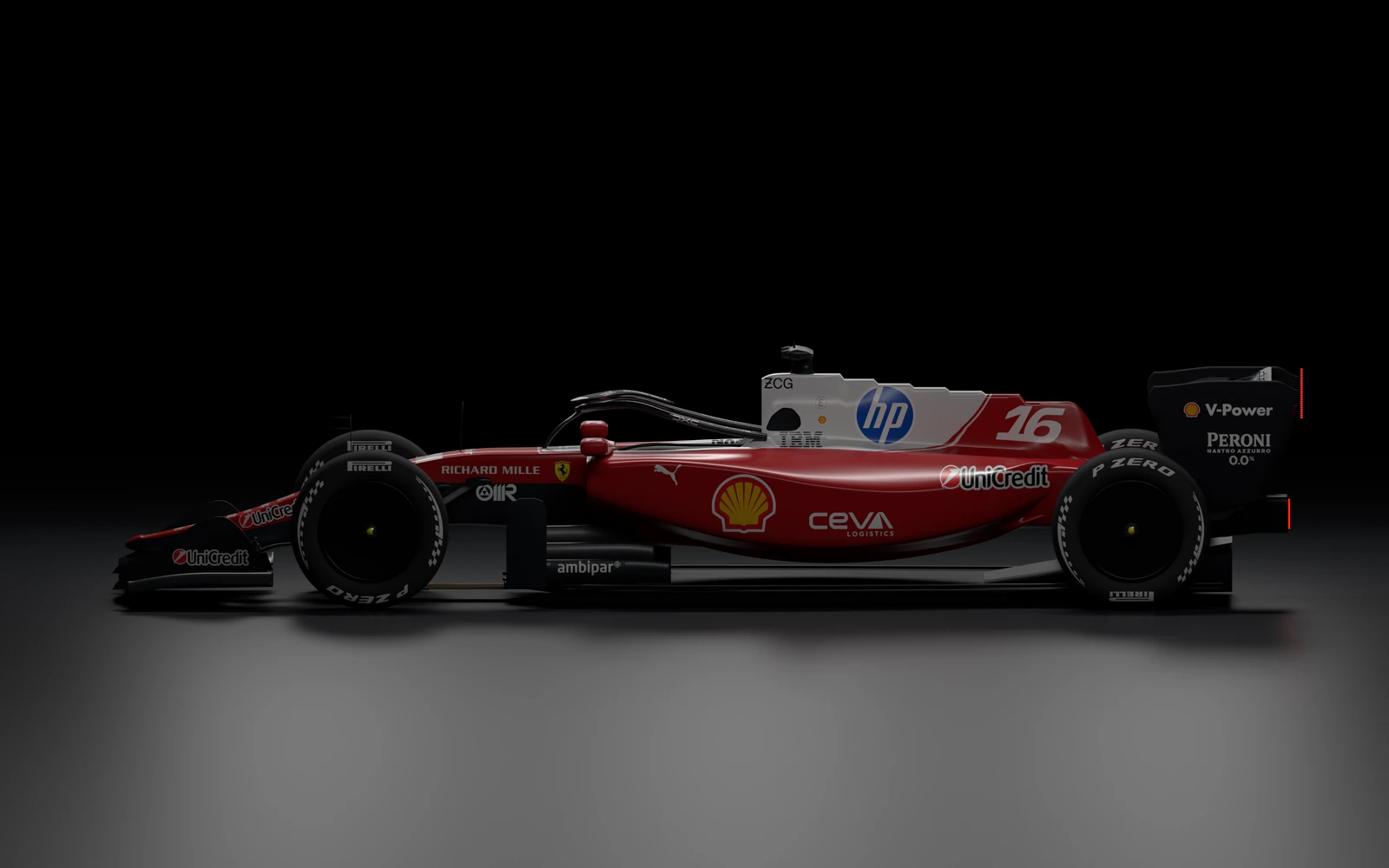
07The car, in light.
Ten 4K studio views, from the complete silhouette to the smallest assemblies, plus matching clay and wireframe studies.
What you’re looking at.
This is a curated record of the actual build. Checker grids and false-color images are diagnostic tools. Reference photographs are labeled separately from our renders. New screenshots of a saved Blender workbench are identified as current inspections.
The gallery presents the selected 4K studio renders alongside matching clay and wireframe views. The technical chapters preserve the reference comparisons and diagnostic tests behind the build.
View the current gallery ↗